BTK SPRAYING - 2026 PROGRAM
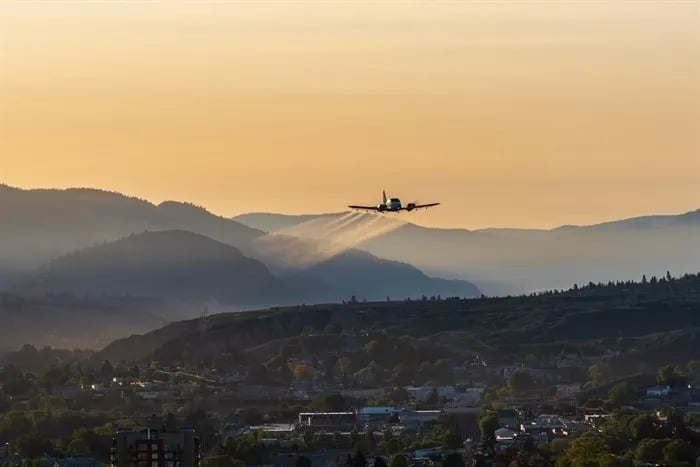
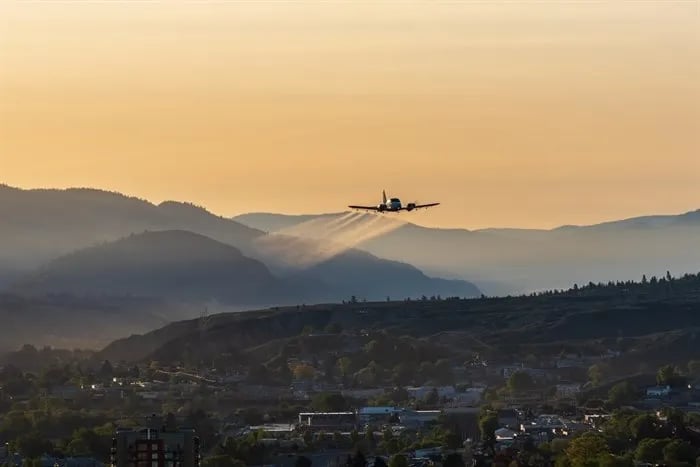
In the last few days, the Provincial government announced the specific areas scheduled for aerial spraying in 2026, confirming the use of BTK (Bacillus thuringiensis kurstaki) and limiting the program to only two locations in British Columbia. This represents a major reduction from previous years and a significant victory for community advocacy.
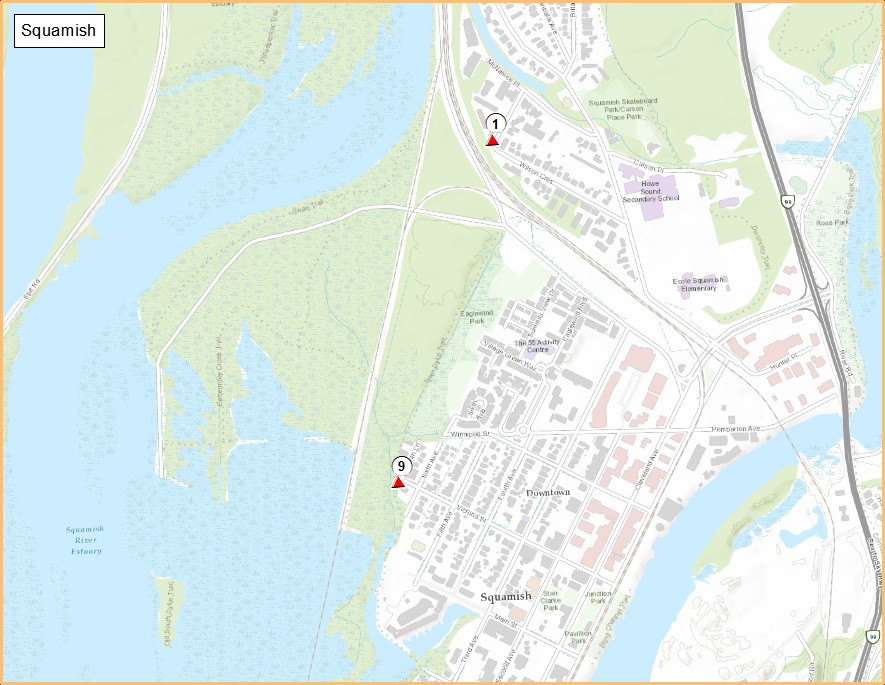
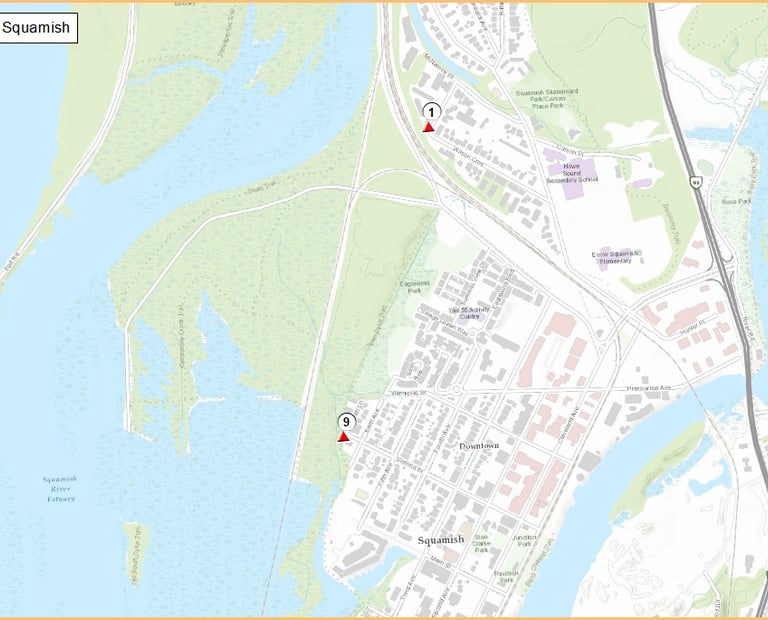
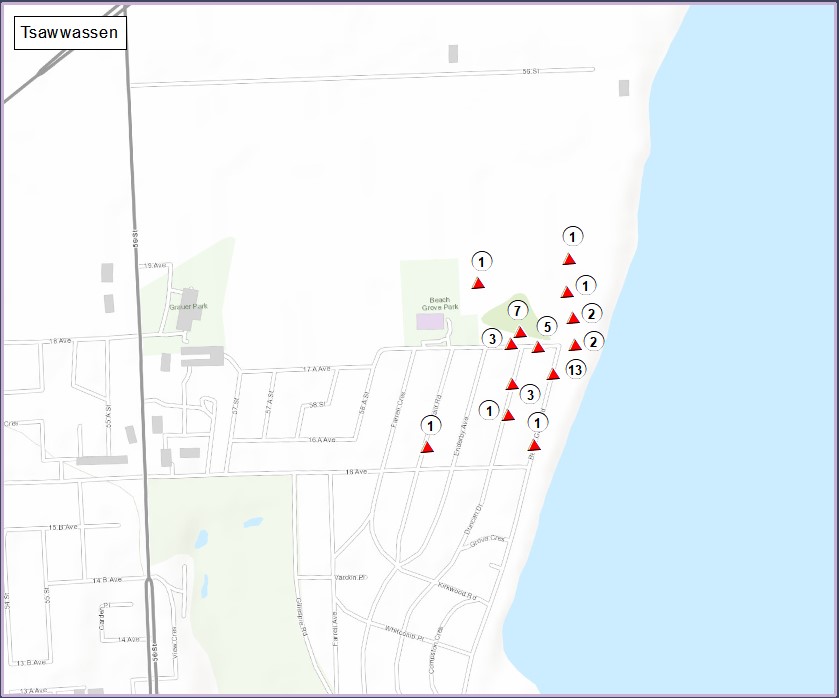
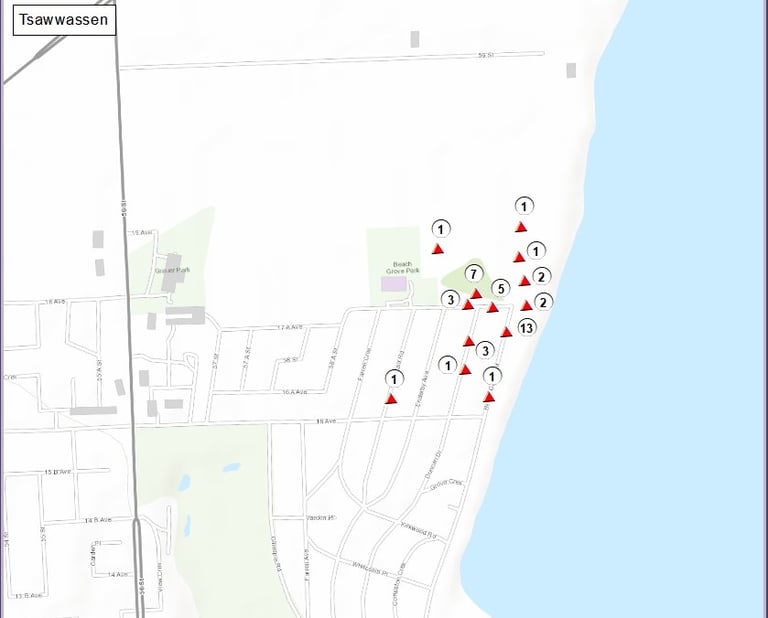
Planned for spring 2026
Planned for spring 2026 for;
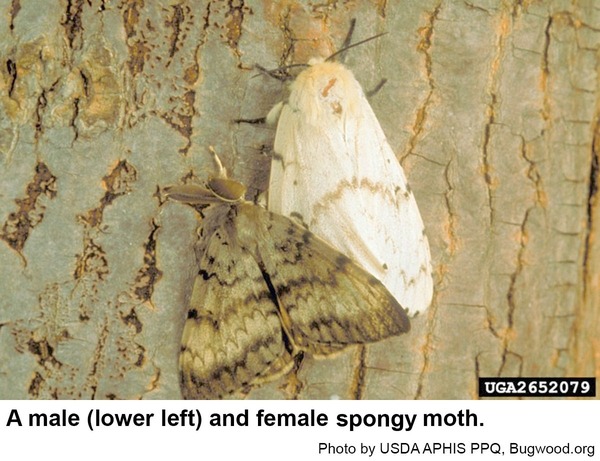
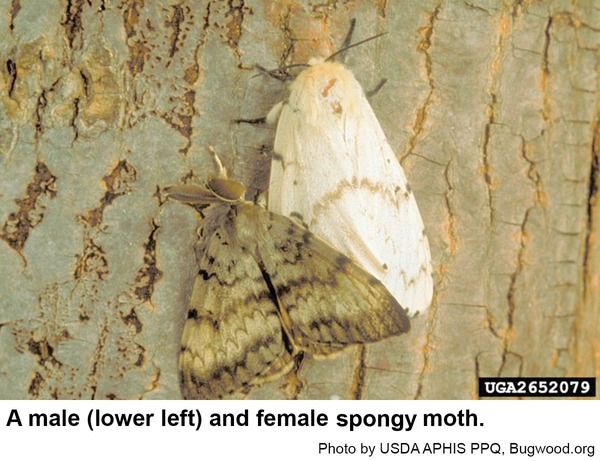
Spongy Moth
Male (left), Female (right)
BTK SPRAYING - Kamloops (2024)
BTK Spraying Program Update for January 2026
In the last few days, the provincial government announced the specific areas scheduled for aerial spraying in 2026, confirming the use of BTK (Bacillus thuringiensis kurstaki) and limiting the program to only two locations in British Columbia. This represents a major reduction from previous years and a significant victory for community advocacy.
Aerial spraying is planned for spring 2026 for:
Delta (Tsawwassen): 38 ha
Squamish: 121 ha
In 2024, 13 communities were selected for aerial spraying. Of those, 12 were sprayed, while West Kelowna was not, making it the only community to successfully stop the program. KCSA played a key role in that outcome. This success helped drive broader public scrutiny by halting aerial pesticide spraying in 2025, and directly influenced the sharply reduced program now announced for 2026.
This outcome shows that citizens can change public health decisions. By stopping the aerial spraying, KCSA and local residents helped prevent involuntary exposure to a biological pesticide, including exposure in and around schools where children were arriving during active spray periods. Protecting children, families, pets and bystanders from unnecessary pesticide exposure remains one of the most important outcomes of this effort.
KCSA will continue to closely monitor the 2026 aerial BTK spray program and will ensure that all available information is shared with the communities still affected, including timing, substances used, potential risks, and alternatives. Our focus remains informed consent, transparency, and the protection of public health.
CAN WE HAVE THE CONVERSATION YET KELOWNA?
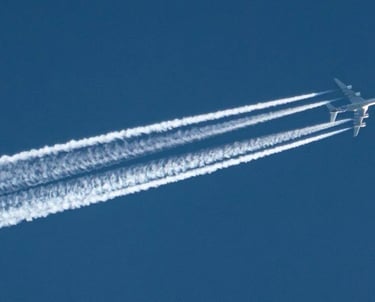
We seek information, the right to hold an official conversation about "what is being sprayed in our skies" that could be affecting the air we breath, forestry and farming
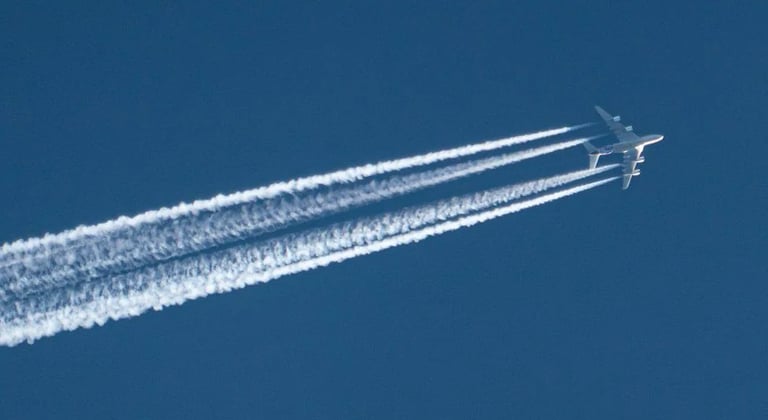
LOOK UP, YOUR EYES ARE NOT A "CONSPIRACY!"
SO LET'S GET DATA AND GET CURIOUS!
DID YOU KNOW? As of October 2026, 3 U.S. states have enacted laws banning certain forms of geoengineering or weather modification: Tennessee, Florida, and Louisiana. The laws differ in scope, and some also restrict conventional weather-modification techniques such as cloud seeding
Cities and regional districts often dismiss concerns about atmospheric spraying and environmental deposition as being outside their jurisdiction. That position is inconsistent with the responsibility of local governments to protect public health and the environment.
Issues affecting air quality, land, and water fall within local government responsibility, regardless of where a contaminant originates. Councils have a duty to investigate potential environmental hazards and to inform residents when health or safety may be affected.
KCSA is preparing a Stratospheric Aerosol Injection (SAI) Campaign to address growing public concern. The campaign encourages citizens to notify their councilors of observed spraying activity and to request Freedom of Information filings to determine what substances are being sprayed, who is authorizing them, and what oversight exists.
Raising awareness allows residents to take reasonable precautions, including respiratory protection on heavily sprayed days, while pressing local governments to act transparently and responsibly.
Contact email: NoSpray_KCSA@Proton.me