KCSA's Stance Against West Kelowna City Council's Aerial Spraying Permit
4/18/20241 min read
Understanding the KCSA's Opposition
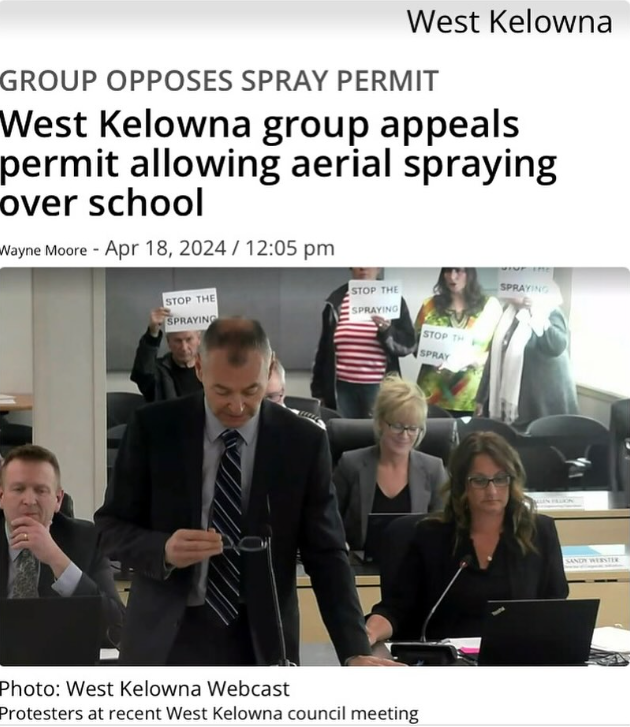
In recent developments, the Kelowna Citizen Safety Association (KCSA) has firmly opposed the decision made by the West Kelowna City Council regarding the permit that allows aerial spraying above specific areas, notably over schools. The association’s concerns stem from the potential health hazards and environmental risks associated with such spraying practices. As a community-focused organization, KCSA’s primary aim is to ensure the safety and wellbeing of its residents, particularly children vulnerable to environmental exposures.
Potential Risks of Aerial Spraying
Aerial spraying, while often utilized for pest control and agricultural purposes, raises significant issues when conducted in proximity to populated areas. Residents within West Kelowna have expressed fears about the possible long-term effects of chemicals used in this spraying method. The KCSA highlights that the risks are especially pronounced when these activities occur near schools, where children are present daily. With studies indicating that children may be more susceptible to chemical exposure, the group’s opposition becomes increasingly justified.
Engagement with Local Authorities
The KCSA is actively engaging with local authorities, including the West Kelowna City Council, to voice their apprehensions and seek alternative pest management practices that do not compromise public health. By fostering conversations with the council, the KCSA hopes to find solutions that balance environmental concerns with pest control needs. Community input is paramount in these discussions, as it reflects the wishes of the residents who are directly impacted by such decisions.
In conclusion, the KCSA stands as a vigilant advocate for the West Kelowna community, vehemently opposing the aerial spraying permit for compelling health and environmental reasons. Their ongoing dialogue with the city council embodies the importance of community engagement in local governance, where the voices of residents can enact tangible change. As discussions progress, it remains crucial for all stakeholders to prioritize public health and seek sustainable alternatives that protect our children and the environment.